ADCO Law Partners Awarded the Indonesian In-House Counsel Choice 2025 by Hukumonline
| | |

ADCO Law Partners Awarded the Indonesian In-House Counsel Choice 2025 by Hukumonline

ADCO Law is proud to announce that two of its Partners, Dendi Adisuryo and Morales Sundusing, have been recognized as the Indonesian In-House Counsel Choice 2025 by Hukumonline, Indonesia’s leading legal media publication.  This prestigious recognition is granted based on recommendations from top in-house counsels across the country, reflecting the trust and respect earned through…


Constitutional Court Decision No. 96/PUU-XXII/2024: Workers No Longer Required to Participate in Tapera
| | |

Constitutional Court Decision No. 96/PUU-XXII/2024: Workers No Longer Required to Participate in Tapera

Constitutional Court Decision No. 96/PUU-XXII/2024 marks a significant shift in Indonesia’s employment and social security framework by declaring the mandatory participation in the Public Housing Savings Program (Tabungan Perumahan Rakyat, “Tapera”) unconstitutional. The decision removes the legal basis for employers to register workers or deduct contributions, while allowing a two-year transition period for regulatory restructuring….

Flexibility Meets Protection: Understanding Micro And Small-Sized Enterprises’ Wage Rules Under Indonesian Law
| | |

Flexibility Meets Protection: Understanding Micro And Small-Sized Enterprises’ Wage Rules Under Indonesian Law

The Indonesian labour framework provides flexibility for micro and small enterprises (“MSEs”) to pay wages below the provincial minimum wage (UMP). This exemption, introduced under the Job Creation Law and elaborated in Government Regulation No. 36 of 2021 as amended by Government Regulation No. 51 of 2023 (“GR on Wages”) on Wages, seeks to balance…

Flexible Work, Rigid Law: Revisiting Working Hour Regulations in the Digital Age
| | |

Flexible Work, Rigid Law: Revisiting Working Hour Regulations in the Digital Age

As digital transformation drives the rise of remote and hybrid work, Indonesian labor law remains rooted in a rigid traditional framework. Companies remain bound by strict regulations on working hours, overtime, and employee rights, even when work is performed outside the office. This creates practical challenges in defining working hours, classifying workers, and balancing productivity…

Prohibition with Exceptions: An Overview of the Minister of Manpower’s Circular on Retaining Diplomas and Personal Documents
| | |

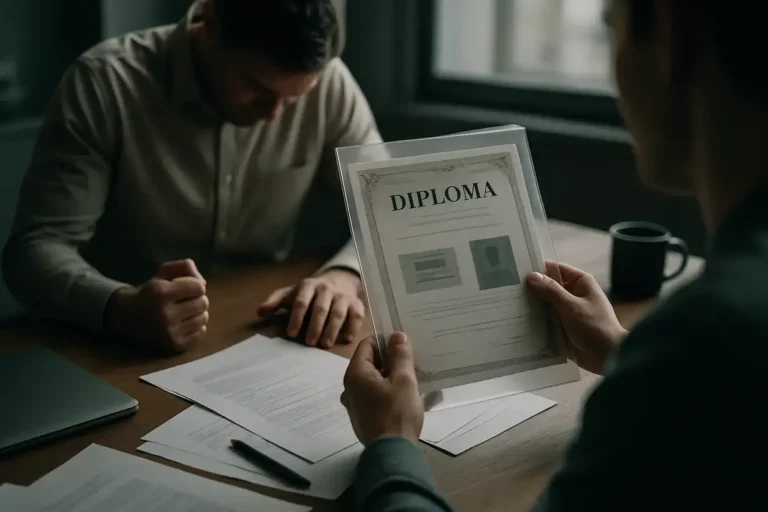
Prohibition with Exceptions: An Overview of the Minister of Manpower’s Circular on Retaining Diplomas and Personal Documents

Overview  On May 20, 2025, the Indonesian Minister of Manpower issued Circular Letter No. M/5/HK.04.00/V/2025, prohibiting employers from retaining workers’ original diplomas or personal documents, except in limited cases, i.e., when such documents are issued through employer-funded training programs with strict safeguards in place. This policy aims to protect employee rights, promote fair labor practices,…

From Recruitment to Offboarding: Compliance Challenges under the Personal Data Protection Law
| | |

From Recruitment to Offboarding: Compliance Challenges under the Personal Data Protection Law

With the enactment of Law Number 27 of 2022 on Personal Data Protection (“PDP Law”), employers now face significant obligations to ensure lawful and transparent handling of employee data throughout the employment lifecycle, from recruitment to offboarding. As legal accountability grows, employers must move beyond surface-level approaches and adopt proactive, structured methods for data governance…

The Rise of Freelancers and Gig Workers: Are They Covered by Indonesian Labor Law?
| | |

The Rise of Freelancers and Gig Workers: Are They Covered by Indonesian Labor Law?

Overview  As Indonesia’s workforce embraces freelancing and gig-based jobs, legal questions arise over their employment status. This article examines whether freelancers and gig workers are protected under Indonesian labor law, focusing on the legal definition of employment, daily freelance work provisions, and the risks of misclassification. It highlights that labels like “freelancer” do not shield…

Company Regulations vs. Employment Agreements: Navigating Conflicts and Compliance
| | |

Company Regulations vs. Employment Agreements: Navigating Conflicts and Compliance

The interplay between employment agreements, company regulations, and collective labor agreements often creates legal uncertainty for employers in Indonesia. Understanding their hierarchy and applying the principle of favor laboris, which prioritizes provisions most favorable to employees, is essential to ensure compliance and prevent disputes. Practical tips such as harmonizing documents, monitoring legal changes, and seeking…

Labour Law Compliance: Building a Positive Work Environment in Indonesia
| | |

Labour Law Compliance: Building a Positive Work Environment in Indonesia

In Indonesia’s dynamic employment landscape, labour law compliance is critical to fostering a transparent, fair, and productive workplace. From ensuring fair wages and lawful termination to promoting workplace safety and inclusivity, compliance enhances employee trust, reduces disputes, and strengthens organizational stability. When embedded into daily operations—through clear contracts, consistent policies, and regular audits—compliance also supports…

Measuring the Criminal Liability of Directors in Corporate Crimes
| | |

Measuring the Criminal Liability of Directors in Corporate Crimes

Corporate crimes have become increasingly complex in the modern era, particularly within the context of Indonesia’s evolving criminal law system. The question of whether directors can be held criminally liable for crimes committed by corporations is becoming ever more relevant, especially considering that corporate crimes are now more covert, systemic, and far-reaching due to technological…